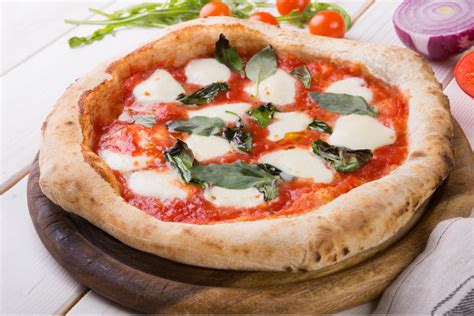
La pizza, uno dei piatti più amati al mondo, ha infinite varianti. Oggi vi mostriamo la ricetta più classica, comune e perfetta da fare in casa in poche ore. La pasta per la pizza che vi proponiamo, infatti, lievita per circa 6 ore: potrete quindi organizzarvi per prepararla in giornata e gustarla la sera con i condimenti che più preferite. Una ricetta di base semplice per una pizza fatta in casa che si prepara con pochi ingredienti e poi si guarnisce come meglio si crede, magari conferendo anche una forma insolita, come la nostra soffice ciambella pizza. Siete pronti per mettere le mani in pasta?
Preparazione dell'Impasto
Per preparare la pasta per la pizza abbiamo scelto di impastare il tutto a mano, ma se preferite utilizzare l’impastatrice potrete seguire lo stesso procedimento, utilizzando il gancio a velocità medio bassa. Come prima cosa versate le due farine in una ciotola, sbriciolate il lievito all'interno e versate un po' della dose di acqua. Mescolate con un mestolo di legno e aggiungete lentamente l'acqua. Unite poi l'acqua rimasta, sempre lentamente, sino ad ottenere un composto omogeneo; aiutatevi con le mani per lavorarlo meglio. Ottenuto un bel panetto liscio, lasciatelo riposare sul piano di lavoro per una decina di minuti coprendolo con la ciotola. Una volta riposato dategli una piccola piega: immaginate che la sfera sia divisa in 4 parti, prendete l’estremità di ognuna, tiratela delicatamente e ripiegatela verso il centro. Rigiratelo su se stesso, dategli la forma di una sfera. Trasferite l'impasto così formato in una ciotola, coprite con pellicola trasparente e lasciate lievitare. Per comodità potete mettere la ciotola in forno spento ma con la luce accesa, così l’interno raggiungerà la temperatura di 26-28°, ideale per la lievitazione; in alternativa potete anche tenere la bacinella in un luogo caldo. Trascorso il tempo della lievitazione, l'impasto sarà bello gonfio, quindi trasferitelo sul piano da lavoro e dividetelo con un tarocco in 3 pezzi da 265 g. Se dovesse servirvi, potete infarinare leggermente il piano di lavoro. Rifate poi la stessa cosa per gli altri 3 lembi di pasta.
Consigli Utili
- Una volta lievitato l’impasto va cotto. Se preferite conservarlo si può ridurre la quantità di lievito, coprire la ciotola con pellicola e lasciar maturare in frigorifero per 8-12 ore. Trascorso il tempo sarà sufficiente lasciar acclimatare l’impasto e poi proseguire come da ricetta.
- La pasta per la pizza una volta lievitata può anche essere congelata, meglio se divisa già in porzioni, e conservata in un sacchetto gelo. Successivamente sarà sufficiente lasciar scongelare la propria porzione a temperatura ambiente e proseguire come da ricetta.
- Il nostro impasto per la pizza in gergo si dice che è tagliato. Significa che sono presenti due tipi di farine la 00 e quella manitoba. Il che significa che il basso valore proteico di una e quello alto dell’altra creeranno un valore perfetto per la pizza, che è compreso tra w260 e w300.
- La lettera W è indice della percentuale di proteine presenti nella farina. Un valore basso corrisponde ad una farina debole, in genere le più indicate per i dolci. Un valore alto valore favorisce gli impasti lievitati perché più ricco di glutine. Cos’è il glutine?
Potete cuocere le pizze singolarmente. In questo caso dopo aver steso la prima pizza, potete infornarla a 250° per 6 minuti solo con un filo d'olio. Trascorsi i 6 minuti, sfornate, condite la pizza e cuocetele per altri 6 minuti. Consigliamo sempre l'utilizzo di una pietra refrattaria. Se invece preferite realizzare una pizza in teglia. Con queste dosi potete realizzare una pizza in teglia grande 30x40 cm. In questo caso non dovrete realizzare i 3 panetti, ma uno solo. Tutte le farine assorbono in diversa maniera, quindi cambiare il mix proposto o usare farine diverse implica dover regolarsi diversamente con i liquidi della ricetta, inoltre varierà necessariamente il risultato finale. Con queste dosi potete realizzare una pizza in teglia grande 30x40 cm.
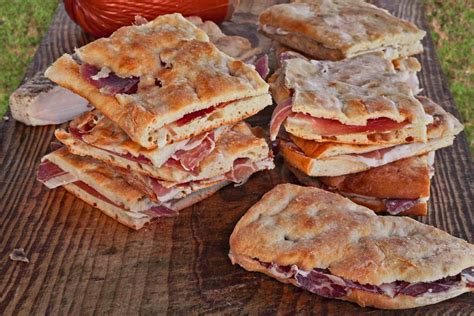
Ricetta della Schiacciata Toscana
From Tuscany, a soft and tasty pizza to accompany with Salami and Cheese! Originally it was prepared with the bread dough with salt to make it tastier. My recipe is prepared using a Biga, a pre-fermented dough that will make the schiacciata more digestible and enhance its aromatic note! You can also season it as you like with cherry tomatoes and basil, onions and sage (I love it), or even thinly sliced potatoes!
PIZZA FRITTA di Gino Sorbillo: RICETTA PERFETTA dello Chef!
Ingredienti per la Biga
- 1 kg Bread Flour (W280 - 320)
- 440 gr Water at 16°C (60°F)
- 10 gr Fresh Yeast (or 2gr if you use dry yeast)
Ingredienti per l'Impasto
- 1000 gr Biga
- 250 gr Bread Flour (i like stone milled flour)
- 400 gr Water
- 40 gr Salt
- 40 gr Olive Oil
- 5 gr Malt Powder
- 1 gr Fresh Yeast
Procedimento per la Biga
To prepare a good biga that have the right final temperature (around 20°C or 68°F), I recommend using water at the temperature given by this "empirical" formula: Water temperature = 55 - room temperature - flour temperature. In average conditions, the right temperature of the water is 55 - 20 - 19= 16°C!! This formula only works with °C !! Form a rough dough and let it ferment for 18h at 19°C-20°C (66°F - 68°F).
Leggi anche: Un tocco di sapore italiano: la Crema di Burrata
Procedimento per l'Impasto
Mix the flour, biga, malt, yeast, and a first part of the water into the stand mixer bowl. Halfway through the process, add the salt dissolved in the remaining water, working the dough until it is well-kneaded and elastic. Finally, finish with the olive oil, adding in many times. Move the dough onto the table, form a loaf, and grease the surface with olive oil. Let the dough ferment at 26°C - 28°C (79°F - 82°F) for 2 hours (approximately), until it will double its volume. Move the dough onto the work surface and divide it into desired portions. Let each portion rise on a floured table, placing them cut side up for 45min. After this time, arrange the dough in a well-greased iron baking pan and stretch it with your fingers until covering the whole pan surface. Wet the surface with an emulsion of salt, oil, and water and add to taste some rosemary leaves all over the surface. Let rise for about 30min and bake. Bake at 220-230°C (428°F - 446°F) for about 30 minutes, slightly opening the oven door during the last 5 minutes of cooking.
Ricetta per 4 Pizze
Ingredienti per la Biga (Pre-Ferment)
- 500 gr Manitoba Flour
- 225 gr Water
- 5 gr Fresh Yeast (2gr dry yeast)
Ingredienti per l'Impasto Finale
- 500 gr Pizza Flour (W320 - 340)
- 450 gr Water
- 20 gr Salt
- 15 gr Extra Virgin Olive Oil
Procedimento per la Biga
In a bowl, mix the flour, water, and fresh yeast until you have a rough dough. The mixture doesn’t need to be perfectly smooth, but should have a crumbly texture. Cover the bowl with plastic wrap and let it ferment at room temperature for 16-18 hours.
Procedimento per l'Impasto Finale
Once the biga has fermented, add the remaining flour and part of the water to the pre-ferment. Start kneading, gradually adding the rest of the water until you achieve a soft, hydrated dough. Add the salt and, if desired, the extra virgin olive oil. Knead until the dough becomes smooth and elastic.
Lievitazione dell'Impasto
Cover the dough and let it rest for 2-3 hours, or until it doubles in size. If you prefer a longer fermentation for more complex flavor, you can refrigerate the dough for 12-24 hours.
Formatura
Divide the dough into balls of about 250g each to make pizzas around 12-13 inches (30-32 cm) in diameter. Let the dough balls rise for another hour, covered with a damp cloth or plastic wrap. Gently stretch each dough ball with your hands, starting from the center and working outward, leaving the edges untouched to maintain a puffy crust. Top with tomato, mozzarella, and your favorite ingredients.
Leggi anche: Come Cucinare Filetti di Platessa
Cottura
Preheat your oven to the highest temperature (about 480-570°F/250-300°C) with a pizza stone if you have one. Bake the pizza on the hot stone for about 6-8 minutes, until the base is crispy and the crust is golden. Serve immediately, drizzling with a little extra virgin olive oil and garnishing with fresh basil leaves.
Pizza con Condimenti Diversi
After preparing the pizza dough, roll it out and add the toppings as if it were divided into four equal slices. On the first quarter, start by creating a base of fior di latte mozzarella cut into strips. Top with the yellow plum tomatoes cut in half. Finally, complete with a bit of fresh ground pepper.
Proceed to the second segment. Create a base layer with the Pizzutello tomatoes (after having crushed the tomatoes by hand to create a sort of sauce) and sprinkle with grated Pecorino cheese. Having completed this step, move on to the third segment. Apply the fior di latte as the base layer, then, on top, add the traditional Naples tomatoes cut into fillets.
Move on to the last segment. Create a base layer of red plum tomatoes cut in half, oregano and thin slices of garlic. Once all the toppings have been added, bake the pizza on a pizza stone in an oven that has been pre-heated to 230°C (or the maximum temperature possible). Bake for about 5-7 minutes. Once cooked to your liking, remove from the oven and top with a drizzle of EVOO, a bit of grated Pecorino on the slice with the Pizzutello tomatoes, and a bit of grated Parmesan on the slice with the yellow plum tomatoes.
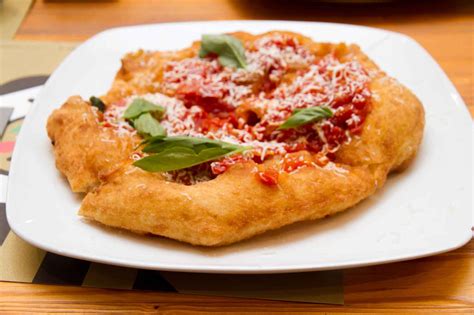
Pizza Fritta Napoletana
The typical Neapolitan snack “Pizza Fritta” - “Fried Pizza”. PIZZA FRITTA is a Neapolitan invention and became a symbol of the city. Outside of Italy it became known for the movie with Sophia Loren (she plays a very typical fried pizza cooker). It is served in the many bars of Naples, eaten as a small lunch snack or appetitzer before lunch or dinner.
Leggi anche: Idrocortisone: come funziona
Preparazione
- continue for the whole dough.
- Add oregano and salt and let it cook for approximately 15 min.
- Prepare the pan for the pizza frying.
- Prepare the small pizzas. Take the balls, flatten them gently, and stretch them gently when needed.